

We have covered Citizens United and the Center for American Progress’ efforts to gut that decision by amending corporation statutes to eliminate the corporate power to make political expenditures. I have begrudgingly acknowledged that the approach likely works as a corporate law matter, while finding it a deplorable public policy and having lots of doubts about its constitutionality. We started with CAP’s efforts in Montana:


More recently, we covered the successful effort to get a bill through the Hawaii legislature:

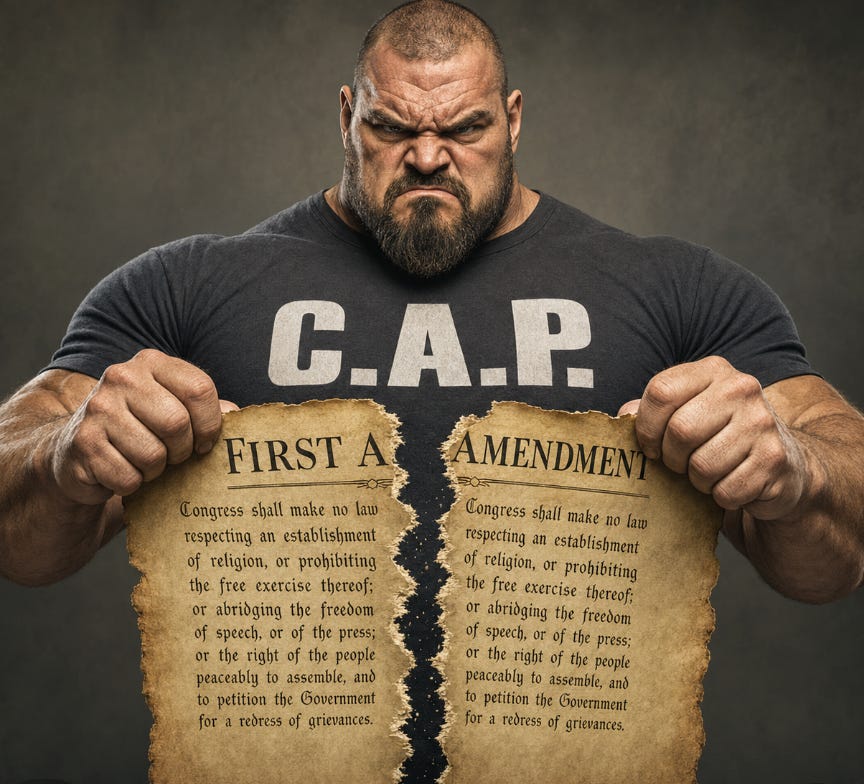
I freely concede that I’m not a constitutional law expert, although I did get A’s in both Con Law I and Con Law II, albeit 40+ years ago. But the good folks at the Institute for Free Speech know more than a little something about the constitution and they have filed a lawsuit seeming to have the Hawaii statute declared unconstitutional.
In brief, IFS argues that:
It punishes people for joining together: Americans have a constitutional right to join together through nonprofits and other associations to advocate for causes that matter to them.
It is unconstitutionally vague: key provisions leave organizations guessing where lawful advocacy ends and prohibited activity begins.
It picks favored speakers: by exempting the institutional press while gagging everyone else, the government selectively decides who enjoys First Amendment rights.
I don’t deny hoping they’re right. As I observed in an older post about Citizens United:
I come down squarely on the side that worries about government regulation of core political speech and thinks that the First Amendment should be applied with strict scrutiny to such laws.
Even when somebody makes an all too clever argument for doing indirectly what they can’t do directly.
But, as we used to say back when the internet was young, YMMV.
