

Delaware Vice Chancellor Lori Will recently issued a very important new decision, Brola v. Lundgren,1 that addresses the limits of fiduciary duty and the boundaries of corporate derivative actions.
In Gantler v. Stephens, the Delaware Supreme Court held that “the fiduciary duties of officers are the same as those of directors.”2 Although that decision would be old enough to drive it were a person, it is fair to say that Delaware law regarding the fiduciary duty of officers remains unsettled.3
An important but controversial advance came in 2023 when Delaware Vice Chancellor Travis Laster issued his opinion in In re McDonald’s Corp. Stockholder Derivative Litig.4 That case involved derivative claims against David Fairhurst, the company’s former Executive Vice President and Global Chief People Officer. The plaintiffs, McDonald’s stockholders, alleged that Fairhurst breached his fiduciary duties by failing to address systemic sexual harassment issues within the company and by personally engaging in acts of harassment.
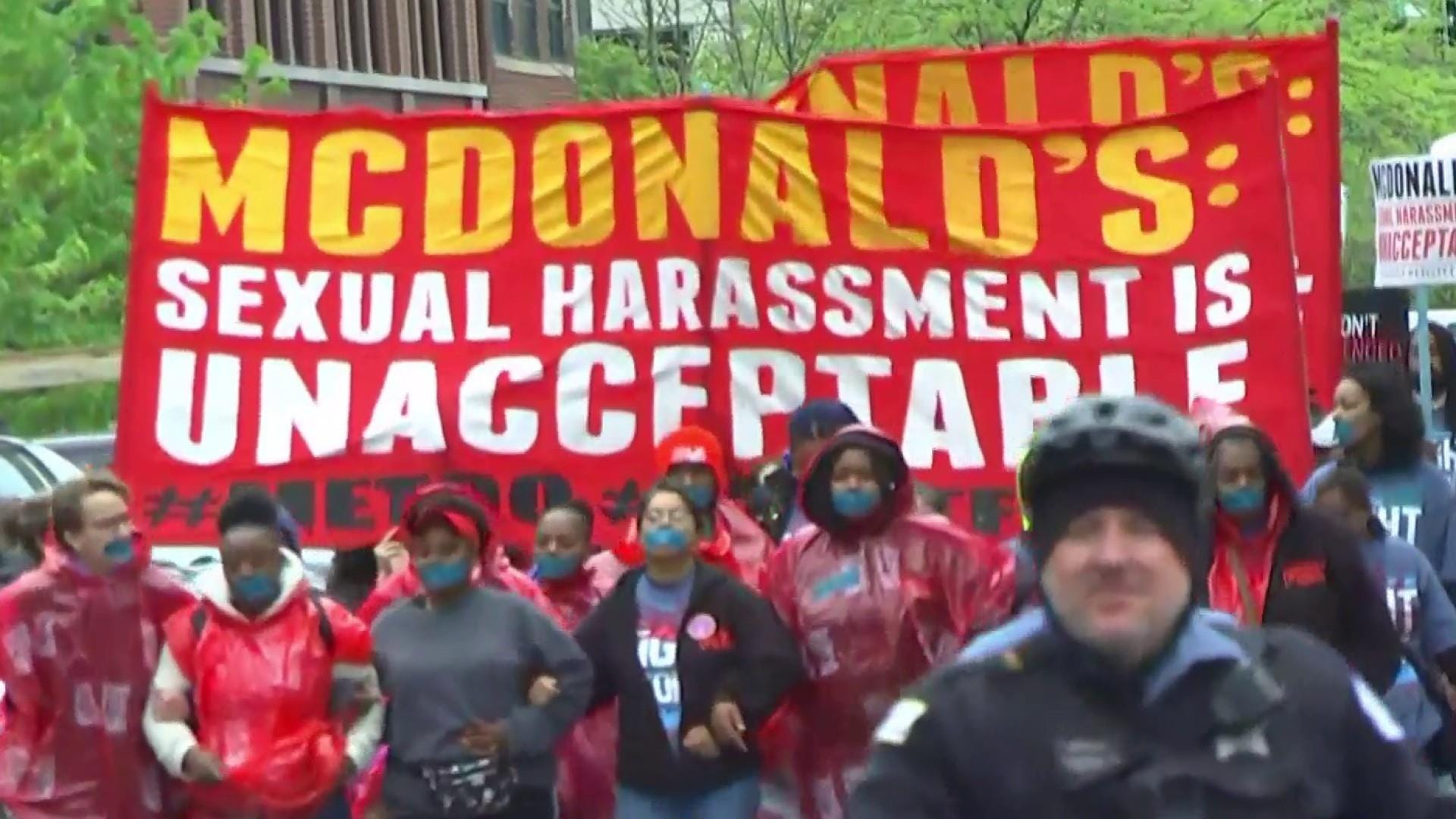
Fairhurst’s conduct was reprehensible. His victims deserved justice. He deserved firing and massive liability.
But what does that have to do with McDonald’s shareholders?
VC Laster held that corporate officers, like directors, owe a fiduciary duty of oversight, particularly concerning matters within their areas of responsibility. The plaintiffs adequately pled a Red-Flags Caremark Claim by alleging that Fairhurst ignored significant red flags, such as EEOC complaints and strikes, demonstrating bad faith. The court explained that: “A plaintiff typically pleads a prong-two Caremark claim by alleging that the board’s information systems generated red flags indicating wrongdoing and that the directors failed to respond. From a functional perspective, the second type of claim can be called a ‘Red-Flags Claim’ or a ‘Red-Flags Theory.’”
More important for present purposes, however, VC Laster also held that Fairhurst’s personal acts of harassment constituted a breach of the duty of loyalty, as they prioritized self-interest over the company’s best interests.
I sharply criticized both aspects of VC Laster’s decision. With respect to the latter issue, I observed that:
VC Laster thereby transformed sexual harassment—and who knows how much more of employment and civil rights law—into cognizable corporate law claims.
To be sure, VC Laster anticipated just such a complaint: “Some might ask whether the Court of Chancery should be hearing sexual harassment claims and worry that recognizing such a claim will open the floodgates to employment-style litigation. ... Like an oversight claim, a claim for breach of duty based on the officer’s own acts of sexual harassment is derivative, so all of the protections associated with derivative claims apply.”
But so what? Is Laster saying that if Fairhurst had moved to dismiss for failure to make demand on the board per Rule 23.1 that Fairhurst would have won?
I do not see a firebreak between Laster’s decision and “employment-style litigation.” But I do see a slippery slope.
In fact, VC Laster ultimately did dismiss the case for failure to make demand. Having written a published opinion taking up 46 pages in the Atlantic Reports on the fiduciary duties of officers, he tossed the case in an unpublished one-and-a-half page order. Which struck me at the time—and still does—as putting the cart before the horse.
In any case, the dismissal raised the question: what was the precedential value of McDonald’s going forward?
VC Will’s decision offers an important answer to that question.
It’s important enough that I’m going to feature Brola in the Spring 2026 update to both my Business Associations casebook and my Advanced Corporation Law casebook. And, of course, here on Substack.
This will be the first of at least two or three newsletters on Brola. In today’s post, I plan to provide an overview of the case. I’ll tackle the big picture issues in upcoming newsletters.